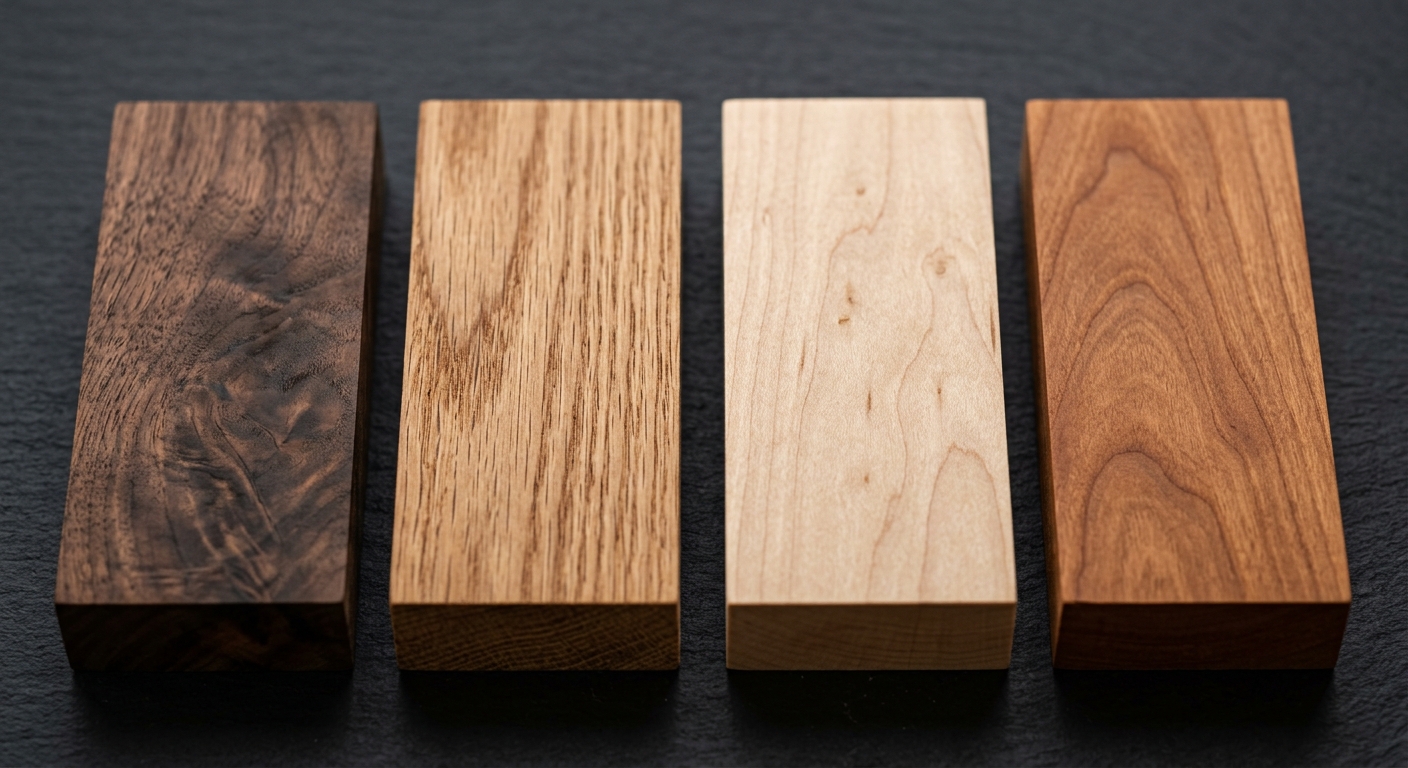
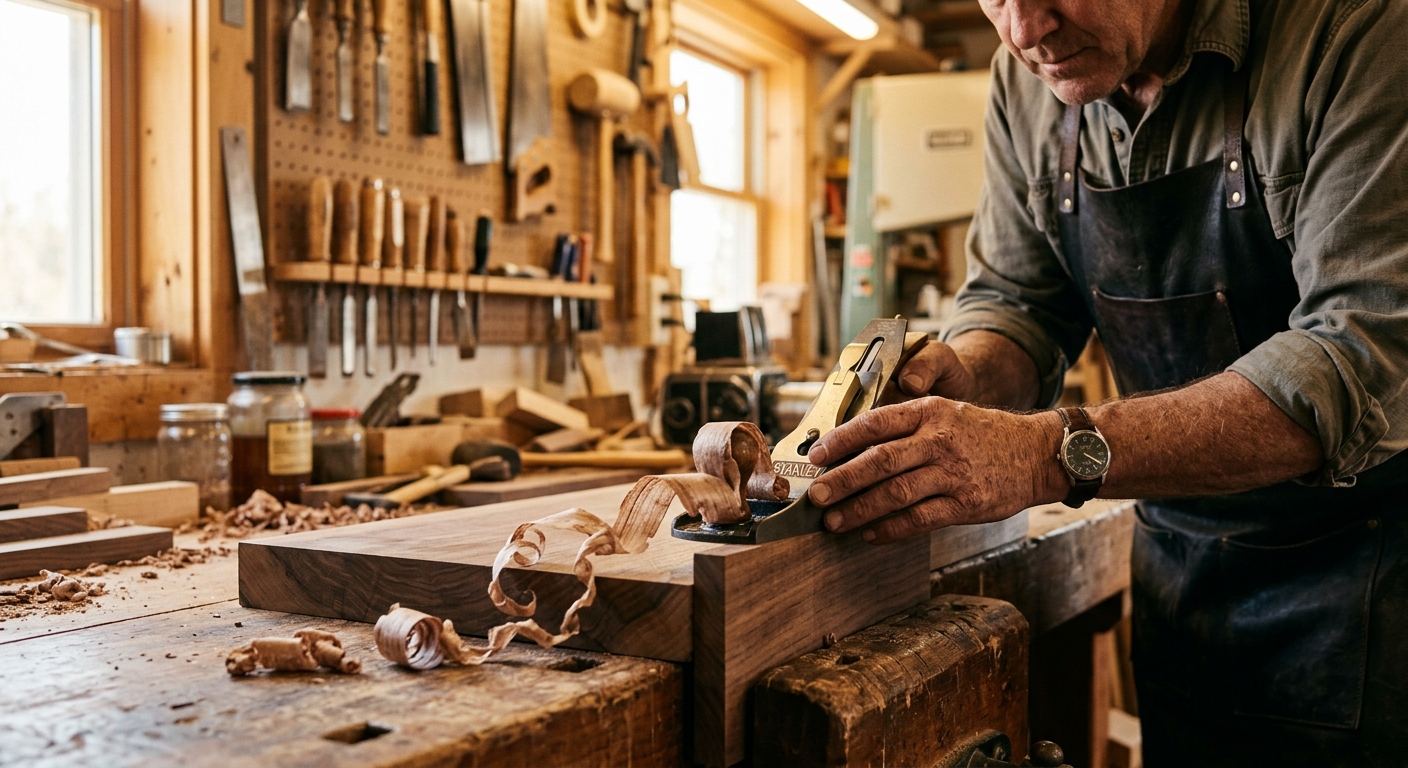
Solid wood furniture is an investment that can last for generations when properly cared for. Unlike mass-produced furniture made from particle board or veneer, solid wood pieces develop character over time and can be refinished repeatedly. This guide covers everything you need to know about maintaining your handcrafted wood furniture so it stays beautiful for decades.
Daily Care and Dusting
The simplest and most important maintenance task is regular dusting. Use a soft, lint-free cloth or a microfiber duster to remove dust from surfaces. Dust particles can act as abrasives when dragged across wood finishes, so frequent dusting prevents micro-scratches from accumulating over months and years.
Avoid feather dusters, which can scratch finishes with their quills. Instead, use a slightly damp cloth for surfaces that need more than dry dusting. Always wipe with the grain, not against it, to avoid lifting wood fibers and creating a rough surface.
Cleaning Spills and Stains
Spills should be wiped up immediately with a dry or slightly damp cloth. For sticky residues, use a cloth dampened with warm water and a small amount of mild dish soap. Wring the cloth out thoroughly — you want it barely damp, not wet. After cleaning, dry the surface immediately with a clean, soft cloth.
Never use harsh chemical cleaners, ammonia-based products, glass cleaners, or abrasive powders on wood furniture. These can strip the finish and damage the wood beneath. Avoid all-purpose spray cleaners unless they are specifically formulated for wood surfaces.
Oiling and Waxing
Natural Oil Finishes
Furniture with natural oil finishes benefits from periodic re-oiling. Apply food-safe mineral oil, tung oil, or a specialized wood oil with a soft cloth, working in circular motions along the grain. Let the oil soak in for 15-20 minutes, then buff off any excess with a clean cloth. For dining tables and frequently used surfaces, oil every 2-3 months. For decorative pieces, once or twice a year is sufficient.
Polyurethane Finishes
For polyurethane-finished pieces, waxing once or twice a year adds a protective layer and restores luster. Use a high-quality furniture wax applied sparingly with a soft cloth, then buff to a shine. Avoid waxing more frequently, as wax buildup can create a cloudy appearance.
Protecting Wood from Damage
- Use coasters under all drinks to prevent water rings and condensation marks
- Place trivets or hot pads under hot dishes, pots, and pans
- Avoid placing furniture in direct sunlight, which can fade wood and crack finishes over time
- Maintain indoor humidity between 35-45% to prevent warping, cracking, and joint separation
- Use felt pads under decorative objects, lamps, and electronics to prevent scratches
- Lift objects when moving them — never slide them across the wood surface
- Use tablecloths or placemats during meals to protect the surface from cutlery and dish abrasion
- Keep nails and pet claws away from wood surfaces to prevent deep scratches
Seasonal Considerations
Wood is a natural material that responds to humidity changes. In winter, when indoor heating dries the air, wood can shrink and develop small gaps at joints. In summer, higher humidity causes wood to expand. This is normal behavior for solid wood and is not a defect — it is proof that your furniture is made from real wood, not a manufactured composite.
Using a humidifier in winter and a dehumidifier in summer helps maintain stable conditions. Avoid placing furniture near heating vents, radiators, fireplaces, or air conditioning units, as the extreme temperature and humidity fluctuations in these locations can cause accelerated damage.
Dealing with Water Rings and Minor Damage
Despite your best efforts, water rings can occasionally form. For fresh rings, rub gently with a dry cloth and let the surface dry completely. For older rings, try rubbing with a mixture of equal parts white vinegar and olive oil, working in the direction of the grain. For deeper marks, a professional refinisher can restore the surface.
Small scratches can often be concealed with a wood touch-up marker or wax stick that matches the wood color. For deeper gouges, wood filler followed by refinishing may be necessary. The advantage of solid wood is that these repairs are always possible — unlike veneered furniture, which cannot be refinished.
When to Refinish
Unlike veneered or laminate furniture, solid wood can be refinished multiple times throughout its life. If your finish becomes deeply scratched, water-damaged, or worn, a professional refinishing can restore the piece to like-new condition. This is one of the greatest advantages of solid wood furniture — it never needs to be replaced, only renewed.
Signs that refinishing may be needed include: visible wear through the finish to bare wood, extensive water damage, deep scratches that cannot be buffed out, or a finish that has become cloudy or sticky. A professional can assess whether a full refinish or a light refinishing is appropriate.
Conclusion
Caring for solid wood furniture is not complicated, but it does require consistency. Regular dusting, prompt spill cleanup, periodic oiling or waxing, and protection from heat, sunlight, and moisture are the cornerstones of wood furniture care. When you invest in handcrafted solid wood furniture from Ben's Woodcrafts 501, you are investing in pieces that can be enjoyed for generations. With proper care, your furniture will develop a rich patina and become a family heirloom.
Questions about caring for a specific piece? Contact us at info@benswoodcrafts501.com or call +1 (501) 860-5289.
Frequently Asked Questions
How often should I oil my wood furniture?
For dining tables and frequently used surfaces, oil every 2-3 months. For decorative pieces, once or twice a year is sufficient. If the wood looks dry or feels rough, it is time to oil.
Can I use furniture polish on solid wood?
Avoid silicone-based furniture polishes, as they can build up and make future refinishing difficult. Instead, use a high-quality paste wax or natural oil specifically designed for wood furniture.
Why are there small gaps in my table during winter?
This is normal seasonal movement. Wood shrinks in dry winter conditions and expands in humid summer conditions. Using a humidifier in winter can minimize this effect.
Can water rings be removed?
Yes, fresh water rings often disappear with gentle rubbing and drying. Older rings can be treated with a vinegar and olive oil mixture or professionally refinished.
How long does solid wood furniture last?
With proper care, solid wood furniture can last 100+ years. Unlike particle board or veneered furniture, solid wood can be refinished repeatedly, making it a true lifetime investment.