The wood species you choose for furniture affects everything from appearance and durability to how the piece ages over time. Understanding the characteristics of different wood grains helps you select furniture that matches your aesthetic preferences and functional needs. This guide covers the most popular wood species used in handcrafted furniture and what makes each one unique.
Walnut: Rich and Dramatic
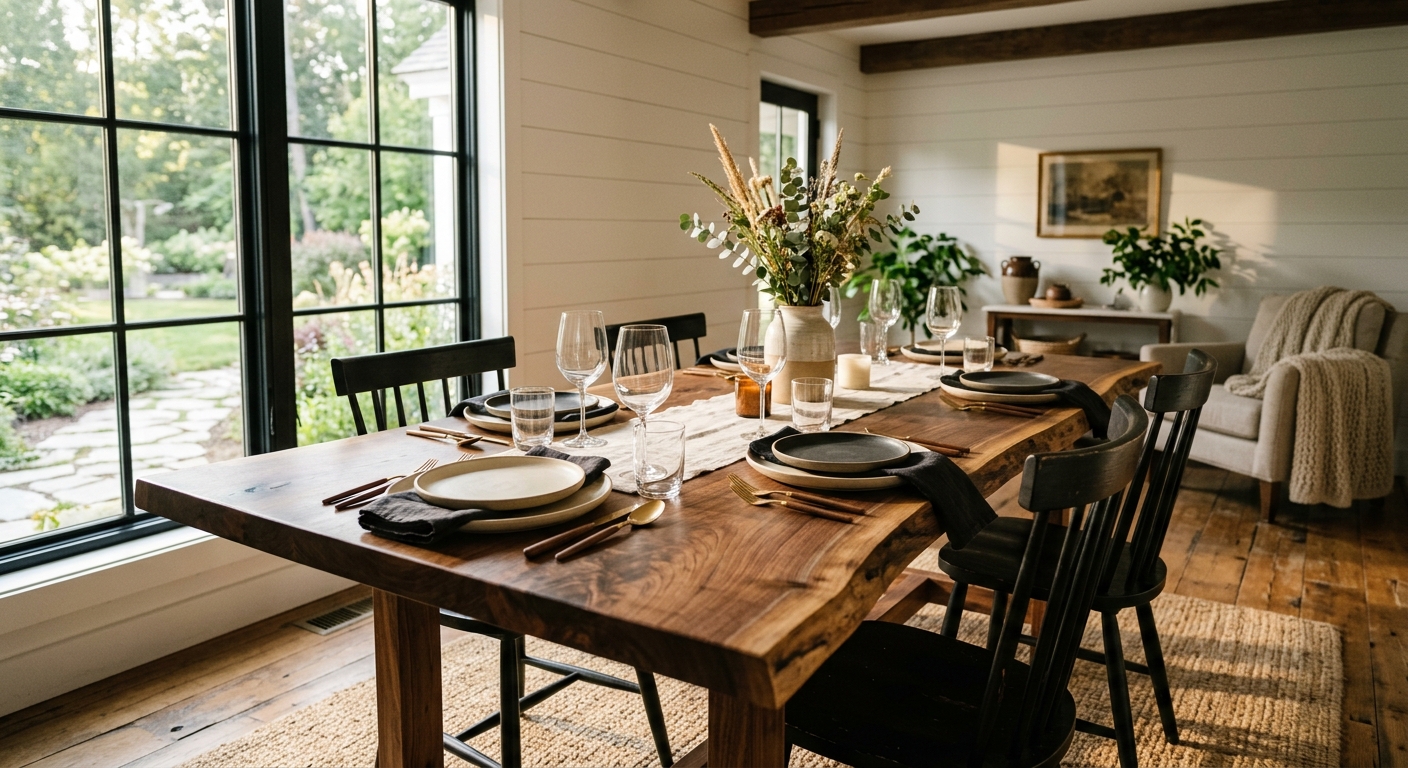
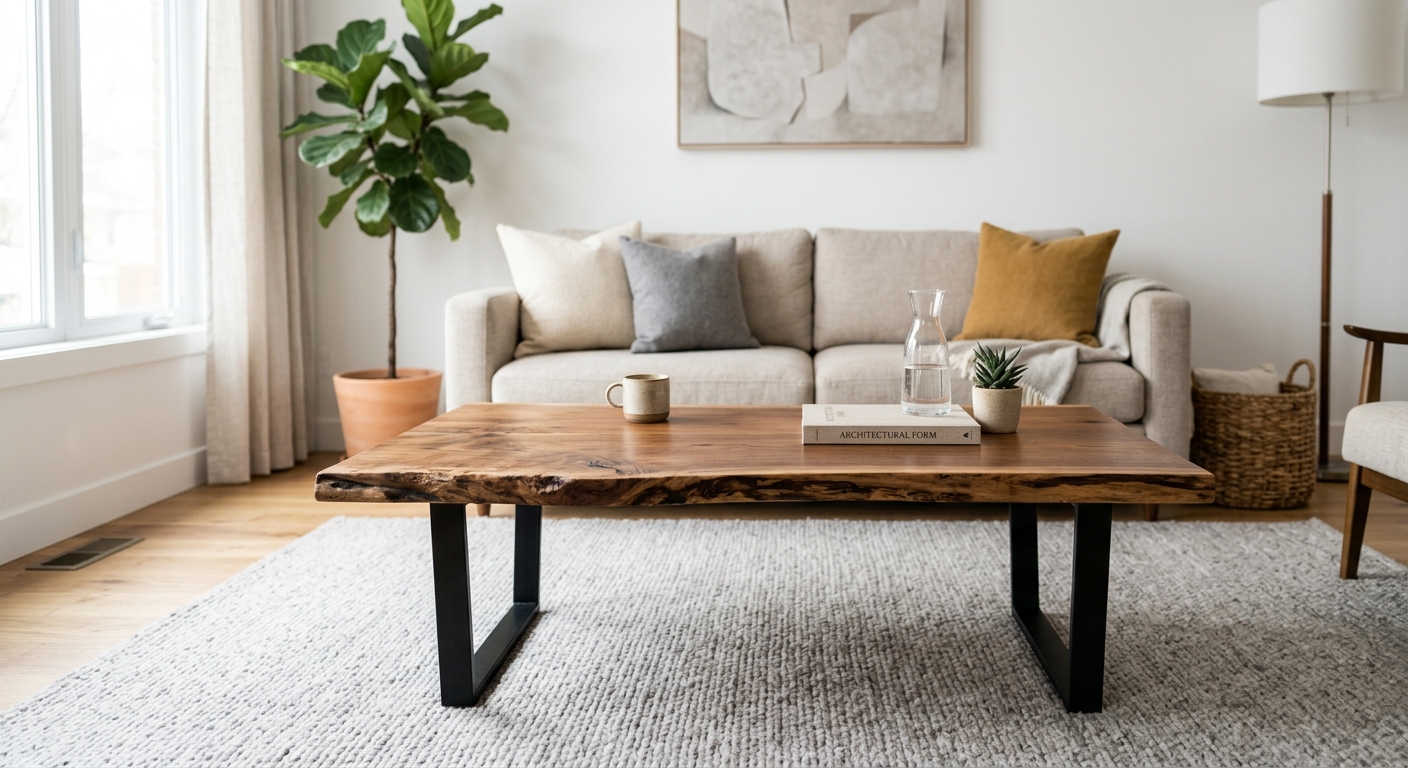
Walnut is prized for its deep chocolate-brown color and striking grain patterns. The heartwood ranges from light brown to dark chocolate, while the sapwood is nearly white. This contrast creates dramatic visual interest in furniture pieces, particularly in live edge designs where the color variation is most visible.
Walnut grain is generally straight but can exhibit wavy or curly patterns that are highly valued by woodworkers and collectors. The wood is moderately hard — softer than oak or maple but harder than pine or cedar — making it excellent for dining tables, desks, and statement furniture that balances beauty with practicality.
One of walnut's most appealing characteristics is how it ages. Over time, walnut develops a rich patina, deepening in color and developing a warm glow that mass-produced finishes cannot replicate. A walnut dining table purchased today will look noticeably different — and many would say better — in ten years.
Oak: Strong and Classic
Oak is one of the most recognizable wood species, known for its prominent, open grain pattern and warm golden tones. There are two main types used in furniture making:
- Red oak: Has a pinkish or reddish cast with a coarse, open grain. It is the more common and affordable variety. Red oak is widely available and takes stain beautifully.
- White oak: More neutral in color with a slightly tighter grain. White oak has better natural water resistance due to its cellular structure, making it the preferred choice for outdoor furniture and pieces that may encounter moisture.
Oak is exceptionally durable — one of the hardest commonly used furniture woods. Its open grain gives it a textured feel that many people find appealing and authentic. Oak is ideal for dining tables, coffee tables, and shelving that will see heavy daily use. The prominent grain pattern means oak takes stain well, but even with a natural finish, it has a distinctive, classic look that has been popular in American furniture for centuries.
Maple: Clean and Contemporary
Maple is a light-colored wood with a fine, even grain. It has a creamy white to light reddish-brown color that brightens any space. Maple's subtle grain makes it ideal for modern and minimalist interiors where a clean, uniform appearance is desired without the visual noise of prominent grain patterns.
Hard maple is one of the densest domestic woods, making it extremely durable and resistant to wear. It is the traditional choice for cutting boards and butcher blocks because its tight grain resists bacteria absorption and knife marks. Maple furniture is perfect for those who want a light, airy look without sacrificing durability.
Maple can also exhibit special grain figures such as bird's eye, curly, and quilted patterns. These figured maples are rare and highly prized, creating furniture pieces with stunning three-dimensional visual effects that shift with the viewing angle.
Cherry: Warm and Aging Gracefully
Cherry wood starts as a light pinkish-tan color and deepens over time to a rich, warm reddish-brown. This color change, called patina development, is one of cherry's most beloved characteristics. A cherry dining table purchased today will look noticeably different — and many would say more beautiful — in ten years. This aging process is accelerated by exposure to light, so cherry furniture placed in well-lit rooms will develop its patina more quickly.
Cherry has a fine, straight grain with a smooth, almost silky texture. It is moderately hard — similar to walnut — and works beautifully for furniture. The natural warmth of cherry makes it ideal for pieces that should feel inviting and comfortable, like dining tables, console tables, jewelry boxes, and decorative bowls.
Cherry is sometimes stained to mimic the aged appearance immediately, but most woodworkers recommend letting the wood develop its natural patina over time. The result is richer and more nuanced than any stain can achieve.
Other Notable Wood Species
- Elm: Interlocking grain that resists splitting, making it excellent for furniture that needs to withstand stress. Warm tones with unique, swirling grain patterns that create visual interest.
- Pine: Soft, affordable, and full of character with knots and color variation. Pine is the classic farmhouse wood — warm, inviting, and rustic. It dents more easily than hardwoods but develops a charming worn patina.
- Teak: Naturally water-resistant due to its high oil content. Golden brown color that weathers to a silvery gray outdoors. Ideal for both indoor and outdoor furniture, teak is one of the most durable woods available.
- Cedar: Aromatic wood with natural insect-repellent properties. Light weight with warm reddish tones and frequent knots. Cedar is perfect for storage chests, closets, and decorative pieces.
- Acacia: Rich, varied coloration ranging from light brown to dark amber with dramatic grain patterns. Acacia is durable and water-resistant, making it excellent for serving ware and decorative pieces.
- Bamboo: Technically a grass, bamboo is extremely hard and sustainable. Light color with a distinctive node pattern. An eco-friendly alternative for minimalist designs.
Choosing the Right Wood for Your Needs
Consider these factors when selecting wood furniture:
- Durability: Oak and maple are the hardest domestic woods; pine and cedar are softer and more prone to dents
- Color preference: Walnut for dark and dramatic, maple for light and clean, cherry for warm tones that deepen
- Grain visibility: Oak for prominent, textured grain; maple for subtle, smooth grain; cherry for fine, elegant grain
- Aging characteristics: Cherry deepens beautifully over time; walnut develops a rich patina; maple remains relatively stable in color
- Room lighting: Dark woods like walnut suit well-lit rooms where their richness can be appreciated; light woods like maple brighten darker spaces and make rooms feel larger
- Maintenance: All solid woods require similar care, but lighter woods show dust and scratches less visibly than dark woods
Conclusion
Understanding wood grain types empowers you to make informed decisions when investing in handcrafted furniture. Each species has its own personality — walnut's dramatic richness, oak's enduring strength, maple's clean versatility, and cherry's graceful aging. At Ben's Woodcrafts 501, we work with all these species and can help you choose the right wood for your furniture based on your aesthetic preferences, lifestyle, and budget. Every piece is handcrafted to highlight the natural beauty of the wood grain, ensuring your furniture is as unique as the tree it came from.
Frequently Asked Questions
Which wood is best for a dining table?
Walnut, oak, and maple are all excellent choices. Walnut offers dramatic beauty, oak provides maximum durability, and maple gives a clean, contemporary look. Cherry is also popular for its warm, aging character.
Does cherry wood really change color over time?
Yes. Cherry starts as a light pinkish-tan and deepens to a rich reddish-brown over several years. This natural patina development is one of cherry's most prized characteristics and cannot be replicated with stain.
Is oak or maple harder?
Hard maple is slightly harder than red oak on the Janka hardness scale. Both are excellent choices for furniture that will see heavy daily use. White oak is comparable to hard maple in hardness.
Can I mix different wood species in one room?
Absolutely. Mixing wood tones adds depth and character to a space. The key is to choose woods with complementary tones — warm woods like cherry and walnut pair well together, while cool woods like maple work best with other light-toned pieces.
What is the most sustainable wood choice?
Domestic hardwoods sourced from sustainably managed forests are all good choices. Maple and oak are abundant and fast-growing. Bamboo is technically a grass and is one of the most rapidly renewable materials available.