Live edge furniture celebrates the natural beauty of wood by preserving the tree's original edge — bark, knots, and organic contours included. What was once considered a rustic design choice has become a sought-after style that bridges the gap between natural and contemporary interiors. This guide explores what makes live edge furniture special and how to incorporate it into your home.
What Is Live Edge Wood?
Live edge refers to furniture where the natural outer edge of the tree slab is retained rather than cut straight. The bark is typically removed, but the organic curve, knots, and natural imperfections remain. This creates pieces where no two are ever identical — each table, shelf, or bench is a one-of-a-kind creation that cannot be replicated.
The live edge style emerged from the Arts and Crafts movement of the early 20th century and was popularized by furniture maker George Nakashima in the 1940s and 1950s. Today, live edge furniture is one of the most popular styles for homeowners seeking organic, natural elements in their interiors.
Choosing the Right Wood Species
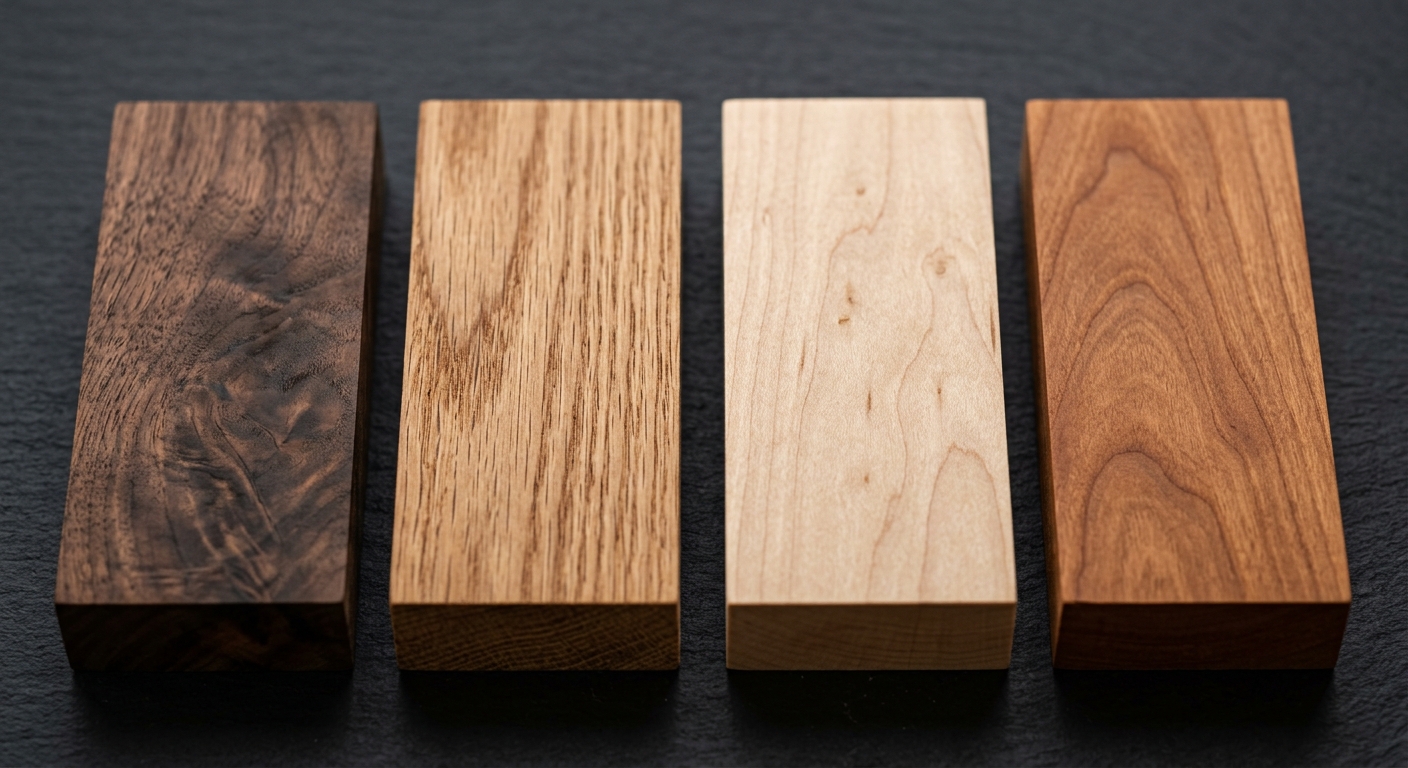
Different woods produce different live edge characteristics. The species you choose affects color, grain pattern, durability, and overall aesthetic:
- Walnut: Rich chocolate brown with dramatic grain patterns and occasional purple undertones. The gold standard for live edge dining tables. Walnut is moderately hard, works beautifully, and develops a deep patina over time.
- Oak: Durable and affordable with prominent open grain. Red oak has a warm pinkish cast while white oak is more neutral with better moisture resistance. Excellent for coffee tables and shelving that will see daily use.
- Cherry: Warm reddish tones that deepen and richen with age. Cherry starts as a light pinkish-tan and develops into a deep reddish-brown over several years. Beautiful for console tables and serving pieces.
- Maple: Light, clean appearance with subtle, tight grain. Ideal for modern and minimalist interiors where a bright, uniform look is desired. Maple is one of the hardest domestic woods.
- Elm: Unique interlocking grain with warm tones and excellent resistance to splitting. Perfect for side tables and accent pieces where character is paramount.
- Aromatic Cedar: Distinctive fragrance and natural insect-repellent properties. Light weight with warm reddish tones and frequent knots that add visual interest.
Incorporating Live Edge Into Your Home
Dining Tables
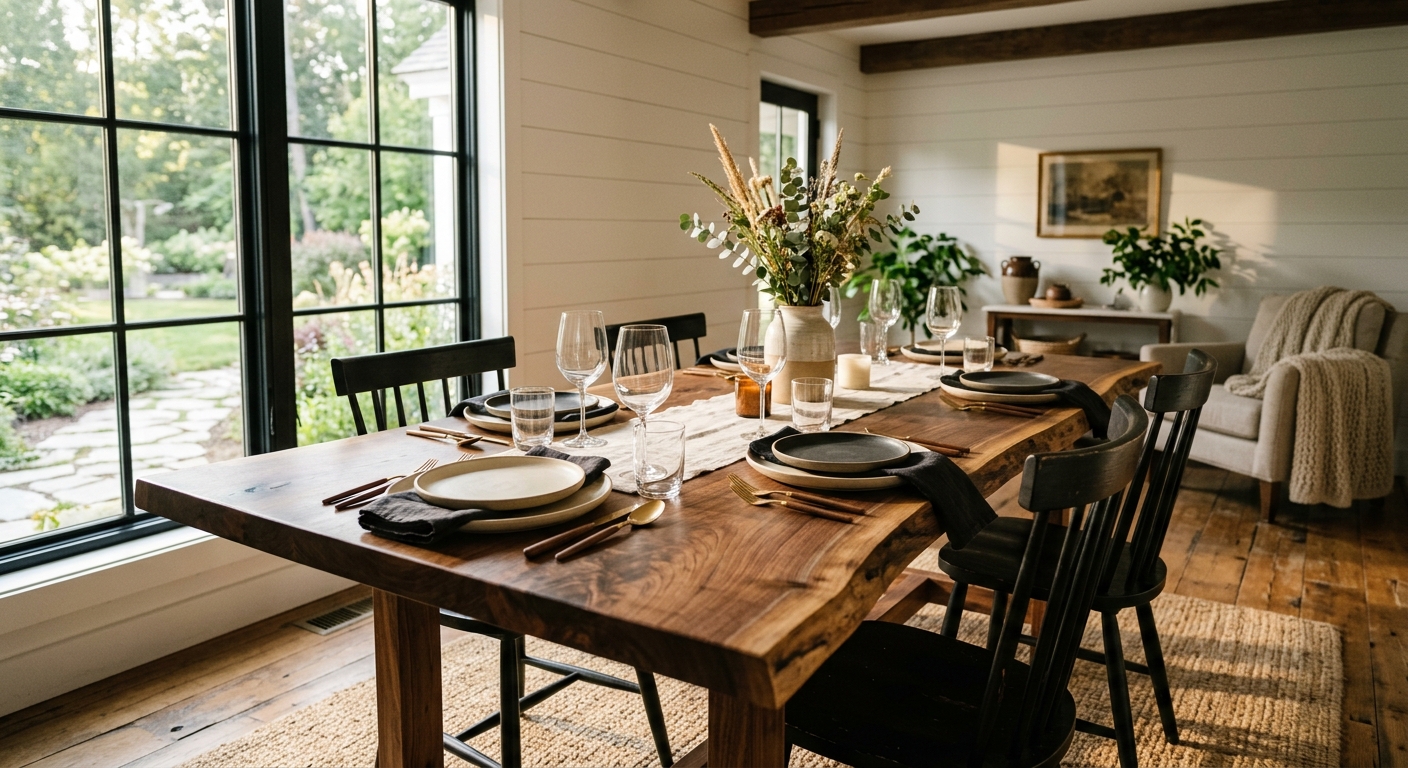
A live edge dining table is a statement piece that anchors the entire room. The natural edge creates an intimate dining experience where the table itself becomes a conversation starter. Pair it with modern chairs for a striking contrast between organic and contemporary, or stick with wooden benches for a fully rustic, farmhouse aesthetic. When selecting a live edge dining table, consider the seating capacity — the irregular edge means some seats will have more or less legroom than others.
Coffee Tables
Live edge coffee tables bring organic warmth to living rooms. They work particularly well in spaces that might otherwise feel sterile or overly modern. The natural edge softens hard angles and adds visual interest without overwhelming the space. Consider a smaller slab for compact rooms, or a larger piece with a metal or wood base for a substantial centerpiece.
Console and Entryway Tables
A live edge console table makes a striking first impression in an entryway or hallway. The narrow profile fits tight spaces while the natural edge adds character that a straight-cut table cannot match. Pair with a mirror above and a few carefully chosen accessories for a complete entryway vignette.
Shelving and Accent Pieces
Live edge floating shelves add character to any wall. They are perfect for displaying books, plants, or collectibles while bringing a touch of nature indoors. Smaller live edge pieces like side tables, stools, and cutting boards can be used as accents throughout the home to tie a natural wood theme together.
Epoxy River Tables
A popular variation of live edge design is the epoxy river table, where two live edge slabs are joined with a colored epoxy resin flowing between them like a river. This creates a striking visual effect that combines natural wood with a glass-like surface. The epoxy is available in countless colors — deep blue is the most popular, evoking a river or ocean — though clear, black, and metallic finishes are also common.
Epoxy river tables require specialized craftsmanship. The resin must be poured in layers to prevent cracking and air bubbles, and the curing process can take several days. The result is a durable, waterproof surface that is as functional as it is beautiful.
Caring for Live Edge Furniture
Live edge pieces require the same care as other solid wood furniture, with a few additional considerations. The natural edge areas may have more exposed wood grain and should be oiled regularly to prevent drying and cracking. Avoid placing live edge tables in direct sunlight, as the uneven surface can create hot spots that damage the finish more quickly than on flat surfaces.
For epoxy river tables, clean the resin surface with a soft cloth and mild soap. Avoid abrasive cleaners that can scratch the epoxy. The wood portions should be oiled as needed, just like traditional live edge pieces.
Conclusion
Live edge furniture brings the beauty of nature indoors in a way that no other furniture style can. Each piece is unique, crafted from a single tree slab that tells its own story through grain patterns, knots, and natural contours. Whether you choose a dramatic dining table, a warm coffee table, or simple floating shelves, live edge furniture adds organic character and warmth to any space. Browse our collection of live edge dining tables, coffee tables, console tables, and shelves at Ben's Woodcrafts 501 — each piece handcrafted from premium wood and built to last a lifetime.
Frequently Asked Questions
Is each live edge piece truly unique?
Yes. Because live edge furniture preserves the natural edge of the tree, no two pieces are ever identical. Grain patterns, edge contours, knots, and color variations make each piece one of a kind.
What is an epoxy river table?
An epoxy river table features two live edge wood slabs joined by a colored epoxy resin that flows between them like a river. The result is a striking combination of natural wood and a glass-like surface.
Can live edge furniture be used outdoors?
Most live edge furniture is designed for indoor use. Teak and cedar are naturally weather-resistant, but even these species benefit from protective finishes and covered placement when used outdoors.
How thick should a live edge table be?
Most live edge dining tables are 1.5 to 2 inches thick. Thicker slabs (3+ inches) create a more dramatic, substantial look but are significantly heavier and more expensive.
Do knots and imperfections affect strength?
Small knots and natural features generally do not compromise structural integrity. Our craftsmen inspect each slab for structural soundness and reinforce any areas that need additional support.